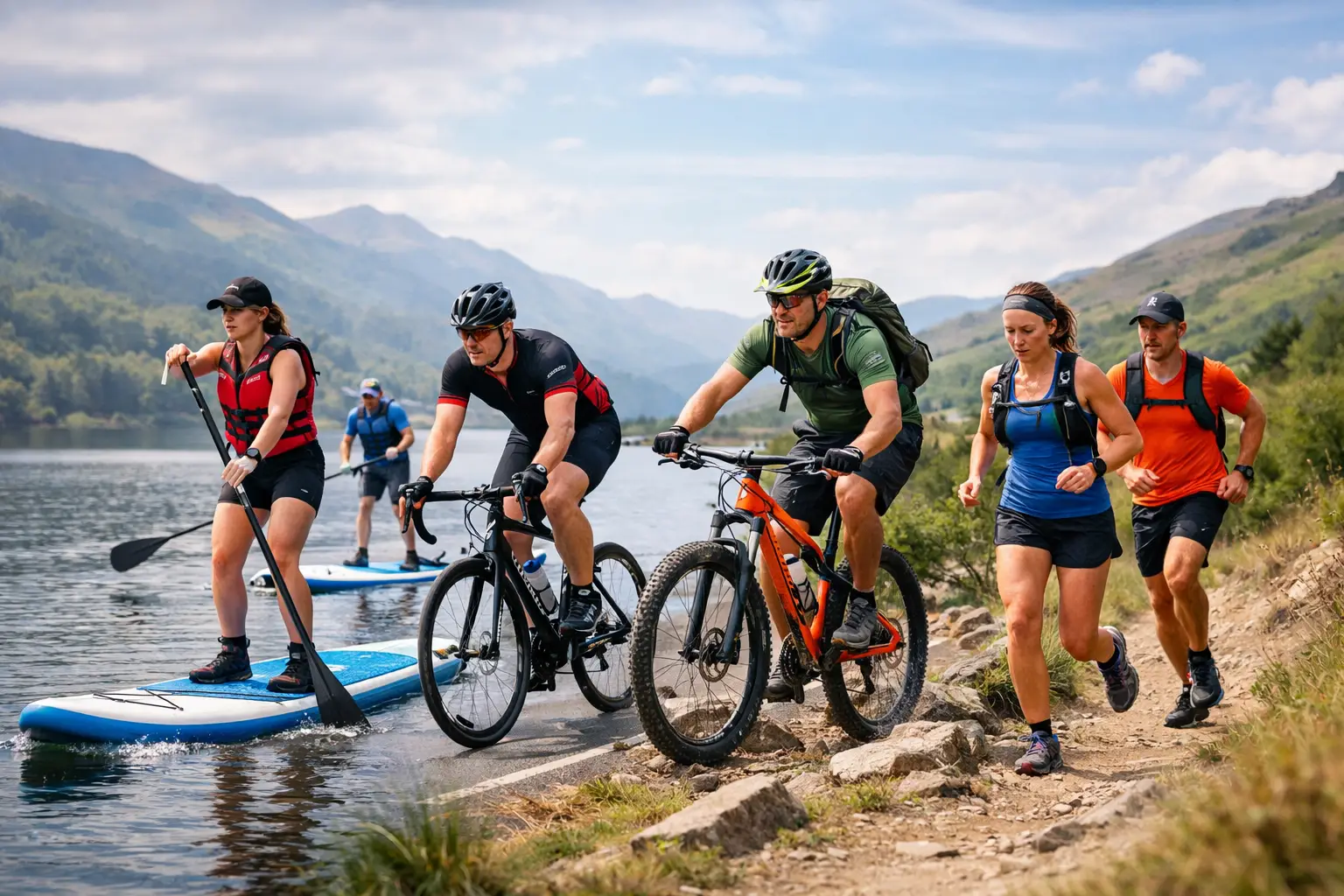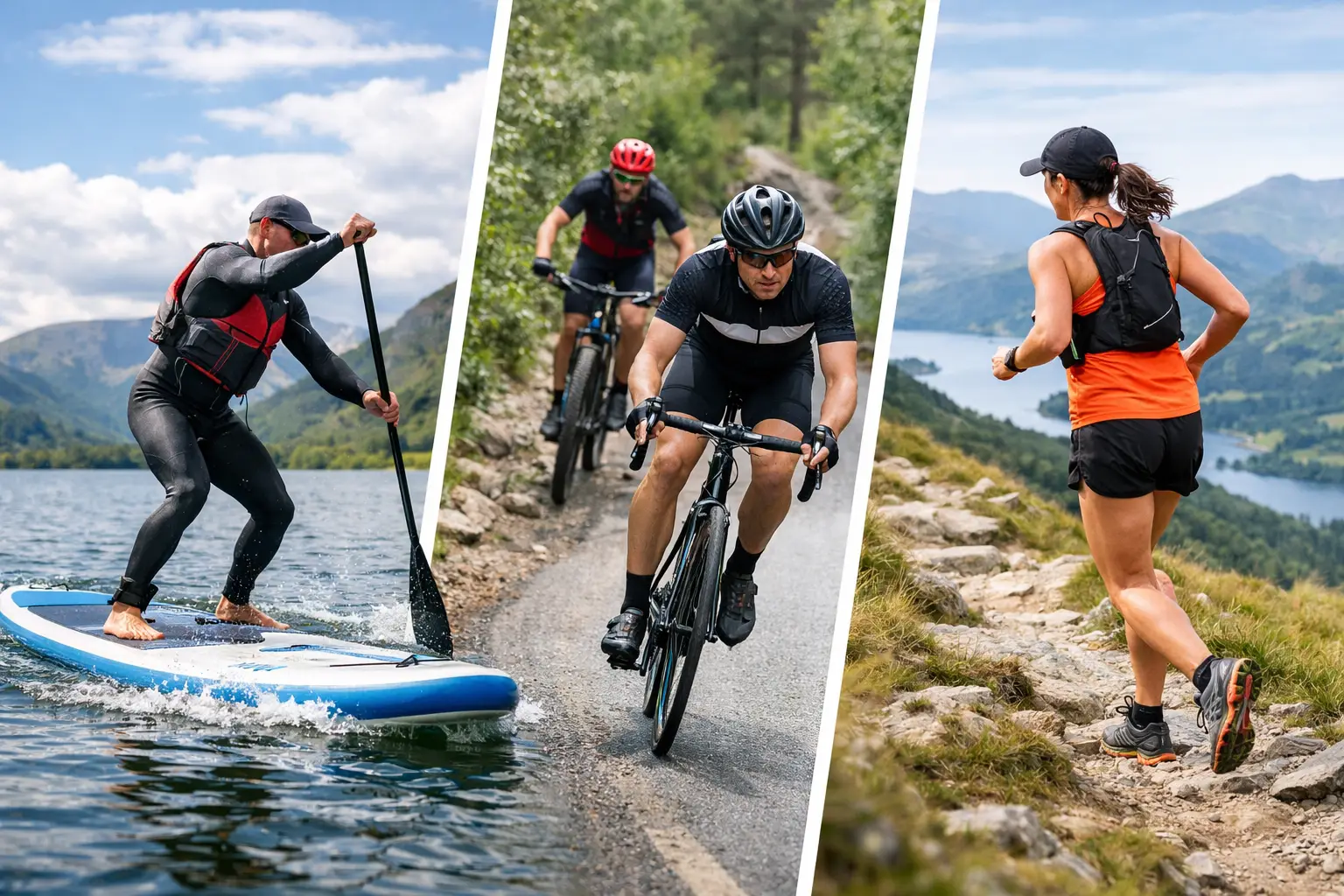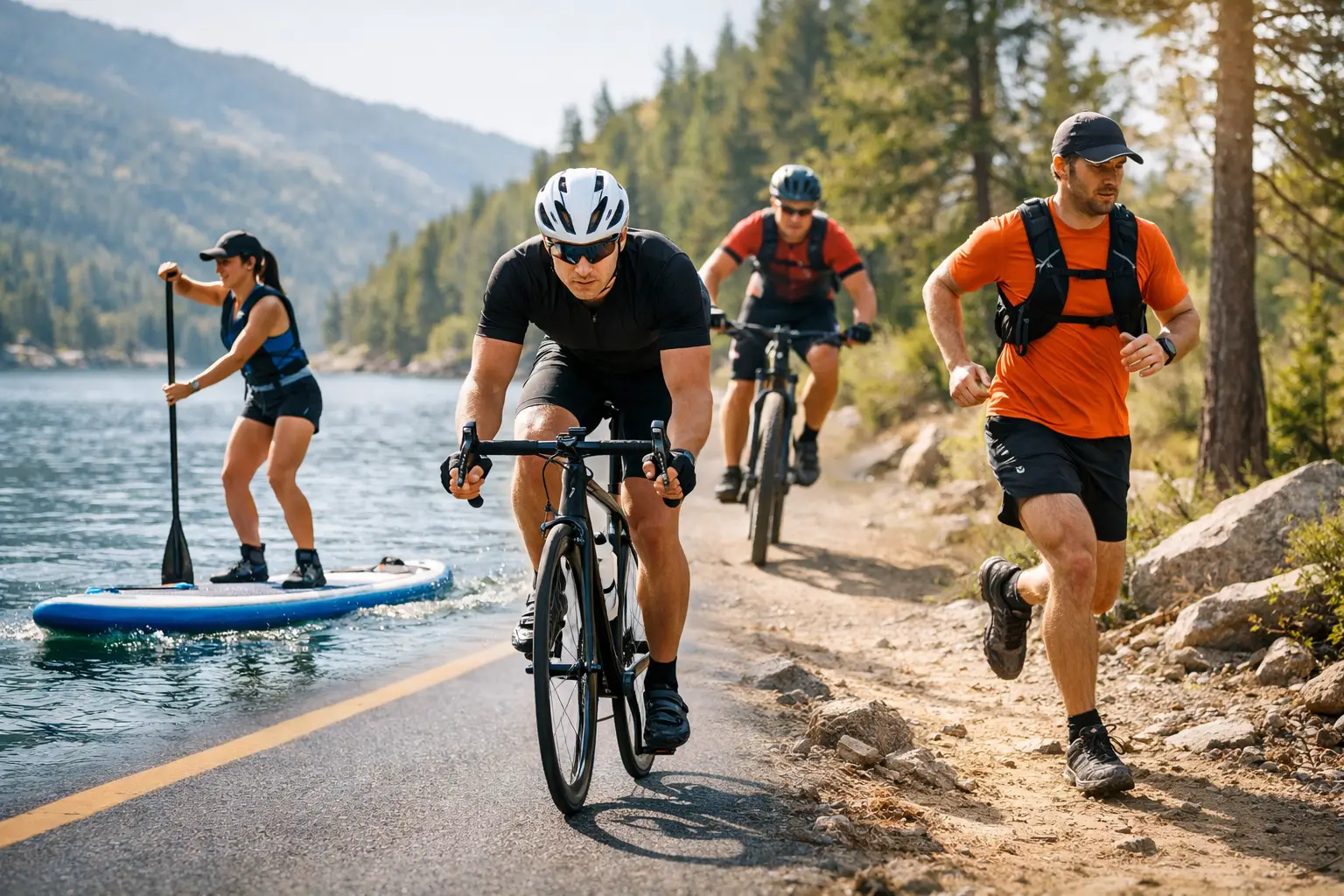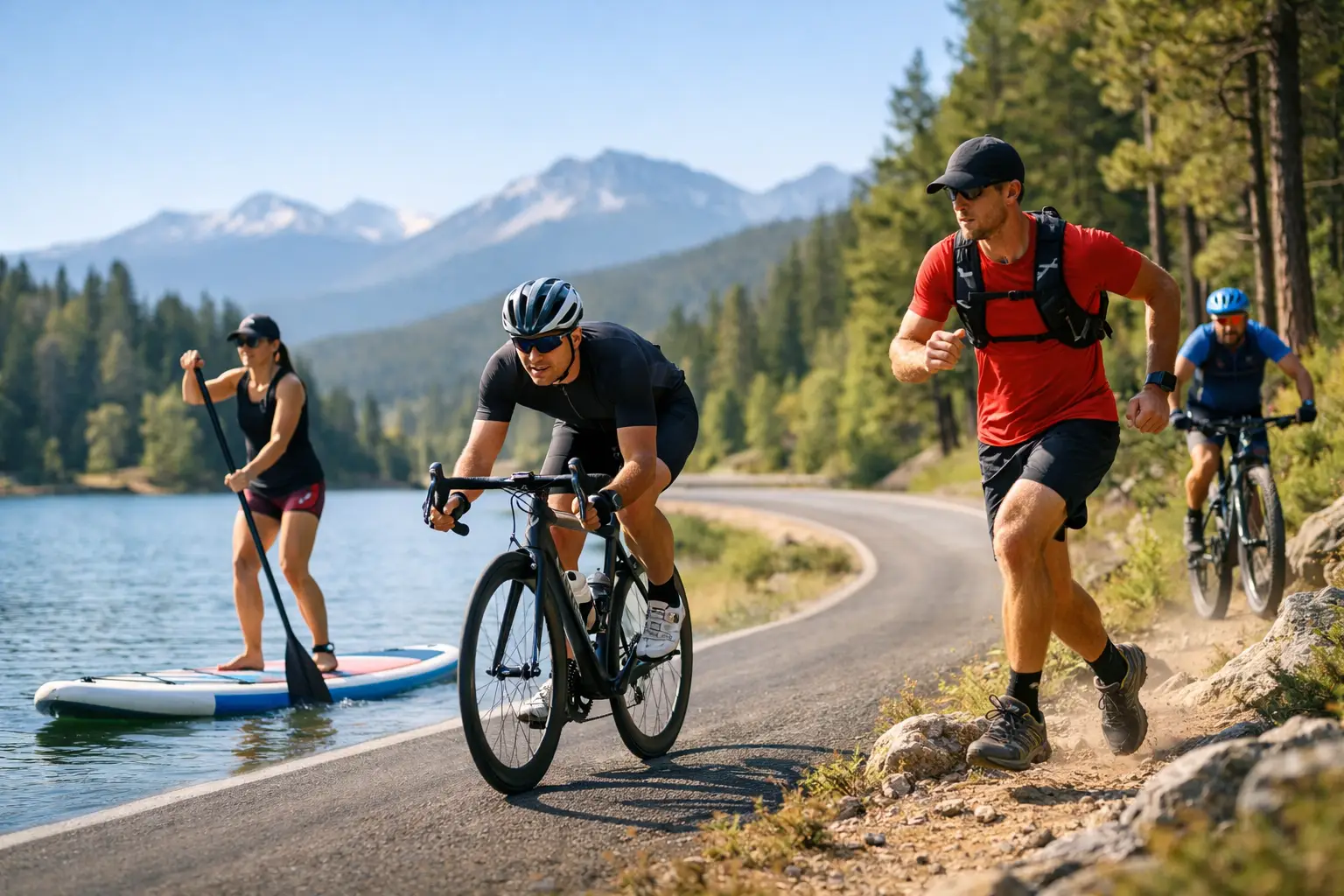

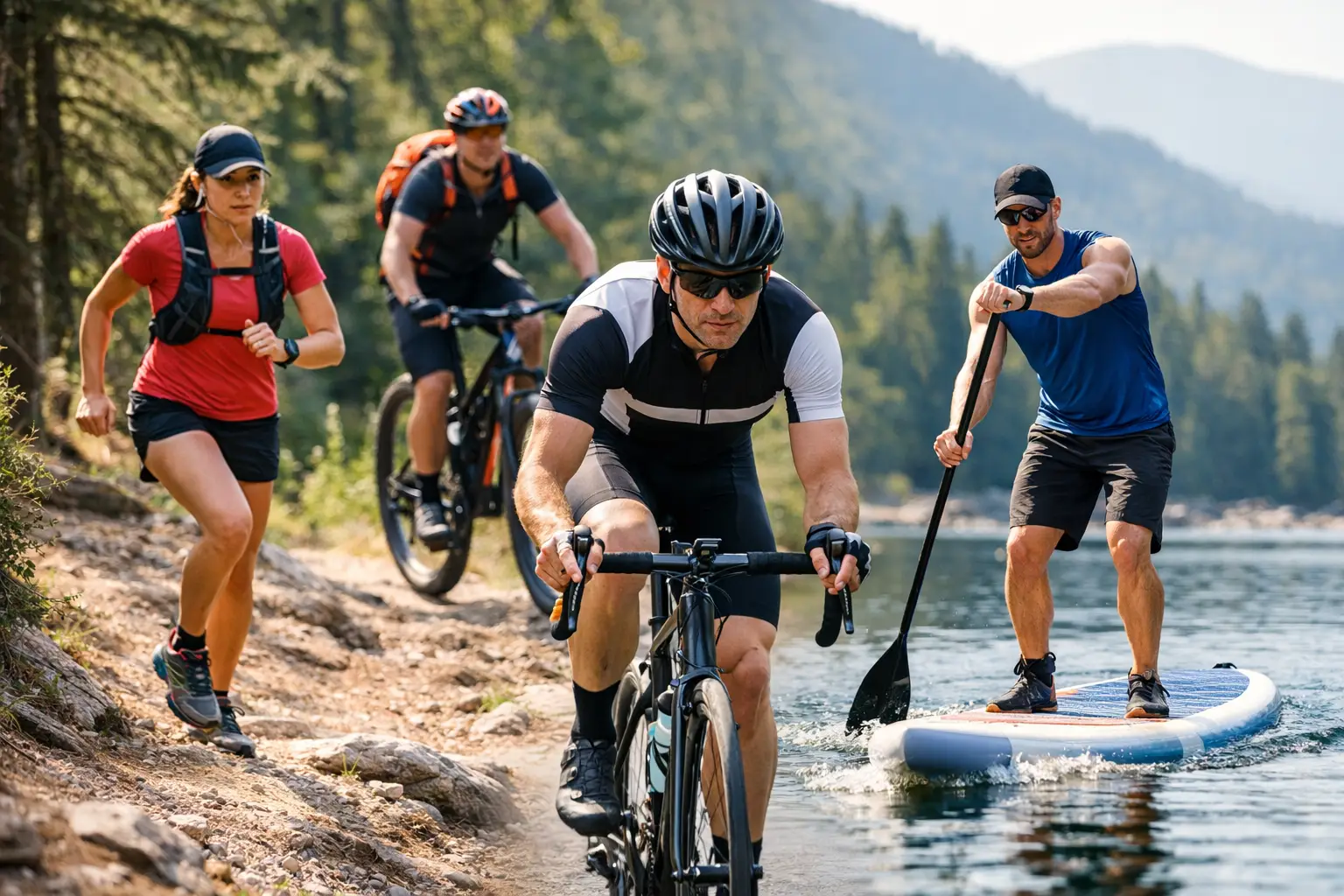
Trail Run Bike Paddle Challenge Explained
You can keep the lane lines, the chlorine and the stiff transition-zone nerves. A trail run bike paddle challenge offers something different – open water, proper trails, two wheels, a board under your feet and a race atmosphere that feels as exciting as it does welcoming. For plenty of UK athletes, that shift is exactly the point.
This format is built for people who want more from an event than split times and a finish photo. It combines stand up paddleboarding, cycling and trail running into one adventurous day out, but it is not only for elite racers or seasoned multi-sport regulars. Done well, it gives you a serious physical test, a strong sense of community and the kind of course you talk about long after your legs have stopped complaining.
What makes a trail run bike paddle challenge different?
At first glance, it looks like an adventure triathlon with the swim swapped out for a paddle. That is true, but it undersells the experience. The paddle section changes the tone of the whole event. It asks for balance, rhythm and calm under pressure, rather than brute force in a crowded swim start. For athletes who love the outdoors but never quite clicked with traditional triathlon culture, that makes a huge difference.
Then there is the terrain. A trail run bike paddle challenge is not designed around traffic-free tarmac and pool training habits. It is designed around lakes, off-road routes, rolling tracks, mixed surfaces and proper outdoor flow. The course becomes part of the challenge rather than a clean backdrop to it.
That has a knock-on effect on the atmosphere. These events tend to feel more relaxed without becoming casual. You still get timing, safety cover, support crews, clear event rules and a well-managed race village. You also get people grinning at the start line because the day ahead looks like an adventure, not an exam.
Why more athletes are choosing the trail run bike paddle challenge
There is a reason this format keeps pulling in paddlers, cyclists, runners and triathletes alike. It meets people where they are. If you already ride trails, run off-road or spend weekends on a paddleboard, the disciplines feel familiar enough to be inviting. Put together, they become a fresh challenge that tests more than just fitness.
The appeal also comes from variety. Traditional endurance training can get repetitive. A trail run bike paddle challenge breaks that up. Each section rewards a slightly different skill set, and that keeps both training and race day engaging. You are not simply surviving one long effort. You are adapting, resetting and staying sharp from start to finish.
It is also a more social format than many people expect. Adventure athletes tend to enjoy the shared experience as much as the clock. You notice the scenery, encourage other competitors and spend as much time talking kit, conditions and route choices as you do chasing times. That balance of challenge and enjoyment is a big part of why people come back.
The three disciplines, one proper adventure
Paddleboarding sets the tone
Starting on a stand up paddleboard changes your mindset early. You need enough power to move well, but technique matters just as much. If the water is calm, you can settle into a rhythm. If the wind picks up, the challenge shifts quickly. That unpredictability is part of the appeal.
For newcomers, the paddle can feel like the wildcard. In reality, it is often the most approachable discipline once you have had a bit of practice. You do not need to be a specialist racer to enjoy it, but you do need to respect the demands of balance, control and pacing.
The bike section brings speed and strategy
The cycling leg is usually where athletes start to make bigger moves, but this is not always a flat-out road effort. Off-road riding, mixed terrain and changing gradients reward smart pacing over blind aggression. Go too hard too early and the run will let you know about it.
Bike setup matters here. Tyres, gearing and confidence on uneven ground can make a real difference. There is no single perfect approach because course profiles vary, which is part of what keeps the format interesting.
Trail running finishes the job
By the time you hit the run, the event becomes a test of resilience. Trail running at the end asks for control as much as speed. Uneven paths, climbs and tired legs can expose poor pacing from the earlier sections.
It is also often the most rewarding part of the day. This is where crowds gather, encouragement ramps up and the finish starts to feel real. You are not just grinding through the final leg. You are earning the full experience.
Who is it for?
A trail run bike paddle challenge works for more people than the name might suggest. Yes, it suits experienced endurance athletes looking for a new target. It also suits active adults who are bored of standard gym-based goals and want an event with a bit more personality.
If you are a runner who wants to cross-train without losing the buzz of race day, this format makes sense. If you are a cyclist who enjoys off-road riding and fancies broadening your skill set, it fits. If you already paddle and want a reason to train with more purpose, even better.
You do not need to arrive as the finished article. What you need is a base level of fitness, a willingness to prepare properly and an appetite for challenge. Inclusive events are built to support first-timers as well as returning competitors, which is why clear briefings, marshals, transition support and sensible event infrastructure matter so much.
How to prepare for a trail run bike paddle challenge
The biggest mistake is treating one discipline as an afterthought. Most people naturally lean towards the sport they know best, but this format rewards balance. If you are strong on the bike but shaky on the board, that weakness can cost both time and confidence. If you can paddle well but have not run trails on tired legs, race day may feel longer than expected.
A smart training block covers all three disciplines every week, even if one session is short. Practise transitions too. Moving from paddle to bike, then bike to run, is part of the event. The smoother you are around kit, clothing and fuelling, the calmer the day feels.
You should also train on terrain that reflects the course where possible. Trails ride differently from roads. Running off-road demands more focus. Paddleboarding in real outdoor conditions is not the same as a calm practice session on a perfect day. The more specific your preparation, the more enjoyable race day becomes.
Fuelling is another area where people can get caught out. Because the event feels adventurous and varied, some athletes underestimate the physical load. Eating and drinking little and often usually works better than waiting until you are struggling.
Why event atmosphere matters as much as the course
The best adventure events understand that people remember more than their finish time. They remember whether registration was smooth, whether the briefing was clear, whether the marshals were encouraging and whether the whole day felt well held from start to finish.
That is where this category really stands out when it is done properly. A good trail run bike paddle challenge combines excitement with structure. You want the buzz of a bold format, but you also want proper signage, safety teams, dependable timing, sensible policies and a race village that keeps things easy for competitors and supporters alike.
That blend of energy and reliability is what turns a one-off entry into a repeat booking. It is also why brands like SUPBIKERUN have built such strong appeal around a format that feels unconventional but never chaotic.
Is it harder than a standard triathlon?
Sometimes yes, sometimes no. It depends on your background.
Strong swimmers who rely on the swim to gain time may find the paddle less intuitive. Trail-experienced runners and mountain bikers may feel more at home straight away. Weather, terrain, distance and technical difficulty all shape the answer too. An accessible course can be a brilliant first step into multi-sport adventure, while a longer or more technical one will test even confident athletes.
What makes it compelling is not that it is automatically harder. It is that it feels fresher. You are not simply replacing one discipline. You are changing the character of the whole day.
More than a race number
For many entrants, a trail run bike paddle challenge becomes the event that gets them excited to train again. It gives purpose to weekend rides, early-morning runs and time spent on the water. It also brings people together – friends entering as a group, colleagues taking on a corporate challenge, families making a weekend of it with camping and spectating folded into the experience.
That wider lifestyle appeal matters. The event is still a serious athletic challenge, but it is also a day out, a goal, a shared story and a reminder that endurance sport can feel adventurous without losing its edge.
If you want a race that asks more of you than following the usual script, this is a strong place to start. Train properly, embrace the variety and expect tired legs, muddy trainers and a finish-line feeling that is far more satisfying than ordinary.